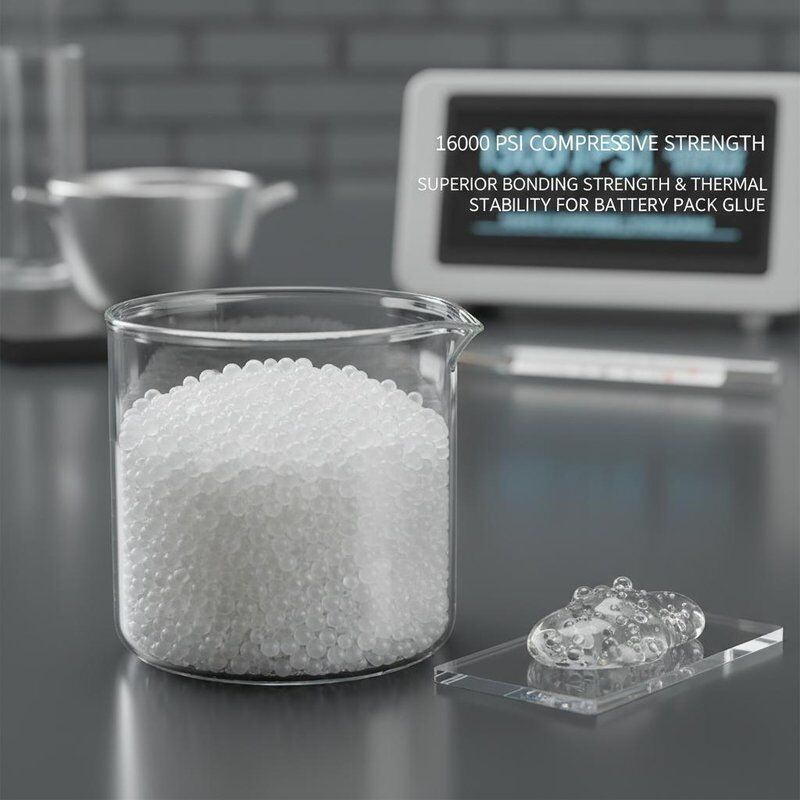
Description du produit:
Les microbulles de verre sont des particules sphériques légères et avancées conçues pour fournir des performances exceptionnelles dans une variété d'applications industrielles et commerciales.Ces microbulles ont un diamètre de 10 à 55 micromètres.Leur composition unique, composée principalement de silice, d'air et d'autres oligo-éléments, les rend idéales pour améliorer les propriétés du matériau sans augmenter significativement le poids.contribue à leurs remarquables caractéristiques physiques et chimiques.
L'une des caractéristiques les plus remarquables des microbulles de verre est leur haute réflectivité optique.qui peut être utilisé dans des applications nécessitant une diffusion de la lumière ou une luminosité accrueCette capacité réfléchissante les rend appropriés pour une utilisation dans les revêtements, les peintures et autres matériaux où la gestion de la lumière est cruciale.
En plus de leurs avantages optiques, les microbulles de verre ont une surface élevée par rapport à leur volume.amélioration de la liaison et de la stabilité dans les matériaux compositesLorsqu'elles sont incorporées dans des formulations telles que la colle de la batterie, les microbulles contribuent à l'intégrité structurelle globale et aux performances de l'adhésif.assurer une liaison fiable et durable dans des environnements exigeants.
La conductivité thermique est un autre aspect essentiel où les microbulles de verre sont excellentes.ils peuvent être conçus pour optimiser la gestion thermique dans les matériaux compositesEn intégrant ces microbulles dans la colle de la batterie, les fabricants peuvent améliorer efficacement la gestion thermique, améliorer la dissipation de chaleur et prévenir la surchauffe dans les systèmes de batterie.Cette caractéristique est particulièrement précieuse dans les industries comme l'électronique et l'automobile., où une régulation thermique efficace est essentielle pour la sécurité et les performances.
La composition des microbulles de verre principalement de silice combinée à de l'air et à des oligo-éléments présente plusieurs avantages.tandis que l'air encapsulé réduit considérablement la densité, permettant aux matériaux de conserver leur légèreté sans sacrifier leur résistance.Cette combinaison fait des microbulles de verre un choix préféré pour les matériaux de remplissage légers qui ne compromettent pas la durabilité.
En outre, la forme sphérique de ces microbulles favorise une dispersion uniforme au sein des matrices, assurant ainsi une performance uniforme dans tout le produit.Leur surface lisse et leur répartition de taille contrôlée améliorent encore leur compatibilité avec diverses résines, adhésifs et systèmes polymères, ce qui en fait des additifs polyvalents dans les processus de fabrication.
En résumé, les microbulles de verre représentent une solution de pointe pour les industries qui cherchent à améliorer les performances des produits grâce à une science des matériaux innovante.surface élevéeLa composition de silice, d'air et d'oligo-éléments assure un équilibre de résistance, de légèreté, de résistance et de résistance.et efficacité thermique.
Lorsqu'elles sont utilisées dans la colle des batteries, ces microbulles contribuent non seulement à des propriétés adhésives fortes, mais jouent également un rôle essentiel dans l'amélioration de la gestion thermique en améliorant la conductivité thermique.Cette double fonctionnalité est essentielle pour développer des, des systèmes de batteries plus efficaces qui peuvent résister à des conditions de fonctionnement rigoureuses.
Dans l'ensemble, les microbulles de verre offrent un moyen sophistiqué d'améliorer les propriétés du matériau telles que la réduction du poids, la réflexion optique et la régulation thermique,Ils sont indispensables dans les applications industrielles modernes.Qu'ils soient incorporés dans des adhésifs, des revêtements ou des matériaux composites, ils offrent des performances et une fiabilité améliorées.répondre à l'évolution des demandes des secteurs de la fabrication et de l'ingénierie de haute technologie.
Caractéristiques:
- Nom du produit: Microboules en verre
- Surface élevée pour des performances améliorées
- Composition: Silice, air et autres oligo-éléments
- Application: Convient aux industries du caoutchouc, de l'océan et des véhicules automobiles
- Résistance à la compression: 16000 psi pour des propriétés mécaniques supérieures
- Résistance chimique: excellente résistance aux acides et aux alcalis
- Faible conductivité thermique pour une meilleure isolation
- Idéal pour une utilisation dans les formulations de colle de batterie
Paramètres techniques:
| Nom du produit |
Microboules en verre |
| Composition |
Silice, air et autres oligo-éléments |
| Application du projet |
Ruban, océan, véhicule automobile |
| Résistance chimique |
Excellente résistance aux acides et aux alcalis |
| Contenu en humidité |
> 0,5% |
| Résistance à la compression |
16000 PSI |
| Conductivité thermique |
00,04 à 0,06 W/m·K |
| La vraie densité |
0.454 - 0,466 g/cm3 |
| Surfaces |
Très haut |
| Densité en vrac |
Différent selon le grade |
Applications:
Les microbulles de verre HAINUO, modèle HN46HS sont des particules sphériques blanches à presque blanches réputées pour leurs propriétés exceptionnelles,les rendant idéales pour une large gamme d'occasions et de scénarios d'application de produitsCes microbulles présentent des propriétés optiques très réfléchissantes qui améliorent la luminosité et l'attrait visuel des matériaux dans lesquels elles sont incorporées.les rendant un choix privilégié dans les revêtements et les peintures utilisés dans l'automobile, l'aérospatiale et les industries décoratives.
L'une des principales applications pour les microbulles de verre HAINUO HN46HS est dans les matériaux adhésifs.Ces microbulles maintiennent la stabilité et la longévité dans les formulations adhésivesLeur surface élevée permet une meilleure interaction avec les polymères adhésifs,permettant une résistance mécanique accrue et une densité de matériau réduite, ce qui est particulièrement bénéfique dans la construction composite légère.
Dans les scénarios où la gestion de la conductivité thermique est cruciale, comme dans les emballages électroniques ou les matériaux isolants, les microbulles de verre HAINUO offrent des avantages importants.Leur capacité à résister à des températures allant jusqu'à 600°C leur permet d'être utilisés dans des environnements à haute température sans dégradationLorsqu'ils sont incorporés dans des matériaux d'interface thermique ou des adhésifs, ils contribuent à une conductivité thermique contrôlée, facilitant une dissipation thermique efficace tout en maintenant l'intégrité structurelle.
En outre, their lightweight nature combined with high temperature resistance makes these microbubbles suitable for use in automotive and aerospace components where weight reduction without compromising strength and heat resistance is essentialIls sont également utilisés dans les matériaux de construction pour améliorer les propriétés d'isolation et la durabilité contre l'exposition aux produits chimiques.
En résumé, les microbulles de verre HAINUO HN46HS sont des additifs polyvalents qui excellent dans les matériaux adhésifs, les applications de conductivité thermique et les environnements résistants aux produits chimiques.Leur combinaison unique de grande surface, une excellente résistance chimique et une tolérance à haute température ouvrent de nombreuses possibilités dans des secteurs tels que les adhésifs, les revêtements, les composites et les systèmes de gestion thermique.
Personnalisation:
HAINUO propose des microbulles de verre personnalisées sous le numéro de modèle HN46HS, conçues pour répondre à des exigences spécifiques pour diverses applications, y compris le caoutchouc, l'océan et les véhicules automobiles.Ces microbulles présentent une excellente résistance à des températures allant jusqu'à 600°C et une teneur en humidité inférieure à 0.0,5%, assurant une durabilité et une fiabilité dans des environnements exigeants.
Avec une conductivité thermique de 0,153 et une densité de masse qui varie selon le grade,Les microbulles de verre HN46HS offrent des solutions polyvalentes adaptées pour améliorer les propriétés mécaniques de vos produitsIls sont particulièrement efficaces lorsqu'ils sont utilisés dans les matériaux adhésifs et la colle des batteries, améliorant ainsi les performances et la stabilité.
Nos services de personnalisation de produits vous permettent d'optimiser les microbulles de verre pour répondre à vos besoins industriels spécifiques, garantissant une meilleure efficacité et qualité dans vos applications.
Assistance et services:
Nos microbulles de verre sont conçues pour fournir des performances exceptionnelles dans un large éventail d'applications.Nous offrons une assistance complète, y compris des conseils pour la sélection des produits., conseils sur les applications et dépannage pour assurer des résultats optimaux dans votre cas d'utilisation spécifique.
Nous fournissons des fiches techniques détaillées et des informations de sécurité pour vous aider à comprendre les propriétés et les exigences de manutention de nos microbulles de verre.Notre équipe d'experts est disponible pour répondre à vos questions techniques et vous aider à intégrer nos produits dans votre processus de fabrication.
En plus du support produit, nous offrons des solutions personnalisées et une assistance en matière de formulation pour répondre à vos besoins de projet uniques.ou traitements de surface, nous pouvons vous aider à adapter nos microbulles de verre à vos spécifications.
Pour un service continu, nous recommandons une communication régulière avec notre équipe technique pour rester informé des mises à jour des produits, des meilleures pratiques et des applications innovantes.Nous nous engageons à collaborer avec vous pour assurer le succès de vos projets impliquant des microbulles de verre.
FAQ:
Q1: À quoi servent les microbulles de verre HAINUO modèle HN46HS?
A1: les microbulles de verre HAINUO modèle HN46HS sont principalement utilisées comme charges et renforcements légers dans les matériaux composites, revêtements, adhésifs et scellants pour améliorer la résistance, réduire le poids,et améliorer les propriétés d'isolation.
Q2: Quelle est la taille moyenne des particules des microbulles de verre HAINUO HN46HS?
R2: La taille moyenne des particules des microbulles de verre HAINUO HN46HS varie généralement de 30 à 60 microns, ce qui les rend idéales pour une dispersion uniforme dans divers matériaux.
Q3: Les microbulles de verre HAINUO HN46HS sont-elles chimiquement inertes?
R3: Oui, les microbulles de verre HAINUO HN46HS sont chimiquement inertes et non toxiques, ce qui garantit qu'elles ne réagissent pas avec la plupart des produits chimiques et offrent une stabilité dans diverses applications.
Q4: Quelle est la densité des microbulles de verre HAINUO HN46HS?
A4: La densité de masse des microbulles de verre HAINUO HN46HS est d'environ 0,46 g/cm3, ce qui contribue à une réduction significative du poids lorsqu'elles sont utilisées dans les composites.
Q5: Comment les microbulles de verre HAINUO HN46HS doivent-elles être stockées?
A5: HAINUO HN46HS Les microbulles de verre doivent être conservées dans un endroit frais et sec, à l'abri de l'humidité et de la lumière directe du soleil afin de maintenir leur qualité et leurs performances.


 Votre message doit contenir entre 20 et 3 000 caractères!